
SPECIES RECOVERY FOR REWILDING
In healthy ecosystems, different species play key roles in natural processes – from breakdown of organic matter by earthworms and insects, to the impact of apex predators on prey behaviour and carcass availability as food for species further down the food chain. The loss of certain species – and their roles in our processes – from Scotland over time has contributed to a decline in our habitats and biodiversity. This makes whole ecosystems more vulnerable to disease, invasive species and the impacts of climate change.
Creating and restoring habitats – planting trees and hedgerows, digging ponds, regenerating peatlands – are now widely accepted as valuable ways to help nature recover. But returning missing species remains more complex and at times controversial, despite its power to restore and sustain functioning natural processes.
What is Species Recovery for Rewilding?
Our Species Recovery for Rewilding work aims to promote and support the return of key species as a vital part of nature restoration alongside revitalising habitats. We focus on species that play a particular role in restoring and sustaining the natural processes most important to nature recovery.
Some ‘keystone’ species cause a step-change in rewilding and perform roles humans otherwise have to intervene to do – often less well. Other species might not play such an obvious role, but still contribute to the complexity and diversity that a healthy, self-sustaining ecosystem needs.
Through collaboration with our two land partnerships – the Northwoods Rewilding Network and Loch Abar Mòr – our Species Recovery work aims to return key missing species to appropriate sites, build wider understanding of the role of these species in rewilding, and remove barriers to species recovery for land managers across Scotland.
Which species are we working to highlight or recover?
We are currently focusing on the following species, for the essential roles they play in keeping ecosystems functioning, and for the habitats they create for a wide range of other wildlife.
BEAVER
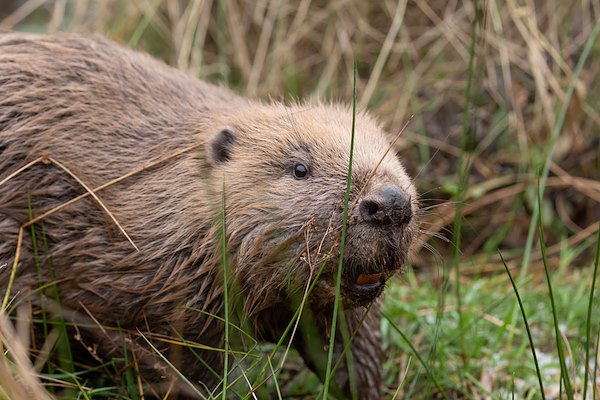
We facilitated the successful relocation of 15 beavers to the Northwoods Rewilding Network in 2025. We are now working with Beaver Trust to consult local communities and explore the potential return of beavers to the Lochy river catchment in Lochaber. This would restore these powerful ecosystem engineers to a new catchment and support their continued re-establishment across Scotland.
LYNX
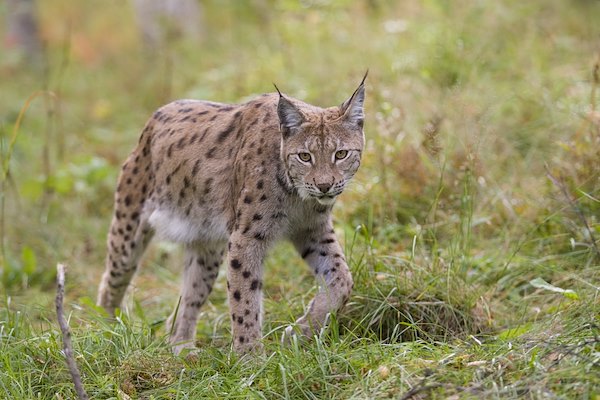
Through the Lynx to Scotland partnership, we contribute time, knowledge and expertise to ongoing work assessing whether and how lynx could return to northern Scotland. We are currently involved in developing detailed preparatory work to inform further stakeholder engagement following recent consultation efforts.
WILD BOAR
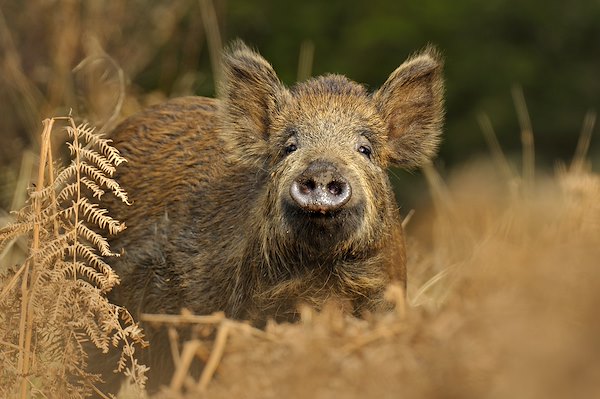
Wild boar are present across Scotland and have a valuable role to play in shaping the landscape through rooting, wallowing, dispersing seeds and creating wetlands. However, they are not recognised as a native species and present coexistence challenges not currently addressed through a national strategy or management plan. We are working with partners to raise the profile of boar as a species with an important ecological role. By engaging with stakeholders, we’re developing a shared vision that can help to inform and influence policymakers.
‘WILDER’ LARGE HERBIVORES
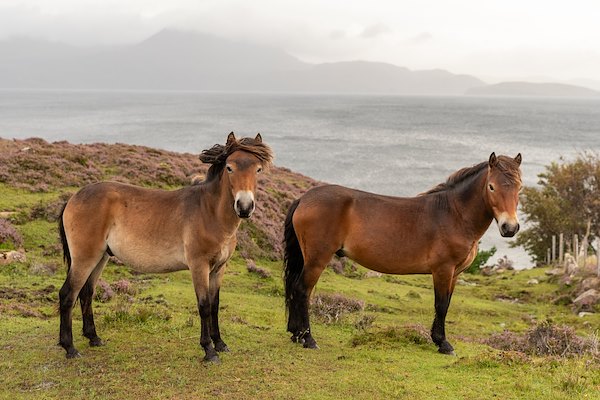
We encourage natural or ‘wilder’ grazing across our land partnerships – the use of semi-wild large herbivores such as cattle and horses at low densities to mimic the natural processes that would have been driven by aurochs, wild horses, elk and other free-roaming large herbivores as Scotland’s landscapes evolved. We are currently gathering input on practical, financial and policy barriers to inform advocacy work and deliver targeted messaging to help more land managers understand the benefits of wilder grazing.
OTHER SPECIES
We explore other opportunities to return similarly impactful species as opportunities arise through our partner networks, depending on feasibility. These include the translocation of wood ants to recovering habitats, restoration of native ground flora to newly planted woodland, and continued support for the recovery of aspen.