
Partner Portrait Sauchie Home Farm, Stirling

Nestled just outside Stirling, Sauchie Home Farm is a landscape in transition, where nature recovery and local community groups are shaping the future of the land. The farm contains a diverse mosaic of habitats, from oak-dominated woodland to open grasslands grazed by hardy Exmoor ponies. These large herbivores help maintain the structure and diversity of the grassland, supporting a wide range of plants and wildlife. While the farm already holds some impressive woodland and wildlife habitat, it is currently entering an exciting new phase focused on ecological restoration.
At the heart of the farm’s vision is a commitment to rewilding and community engagement. Recent work has already brought people together through a successful community tree-planting event that added hundreds of new trees to the landscape. Looking ahead, plans include installing leaky dams and restoring the natural meanders of the Sauchie Burn to improve water management and habitat diversity. The farm also aims to establish protective ‘exclosures’ to allow young trees and wildflowers to flourish. Through these efforts, Sauchie Home Farm is becoming not only a space for nature recovery, but also a place where people can actively help to shape a richer, more resilient landscape.

A belt of semi-natural woodland dominated by centuries-old oaks is a key feature of the farm.

These majestic oaks with their broad canopy support a multitude of insect and bird life as well as providing roost sites for several species of bats found here.

The white flowers of wild garlic add a pungent aroma to the woodland in spring.

Much of what Val King does at Sauchie Home Farm is governed by the Northwoods Nine rewilding principles.
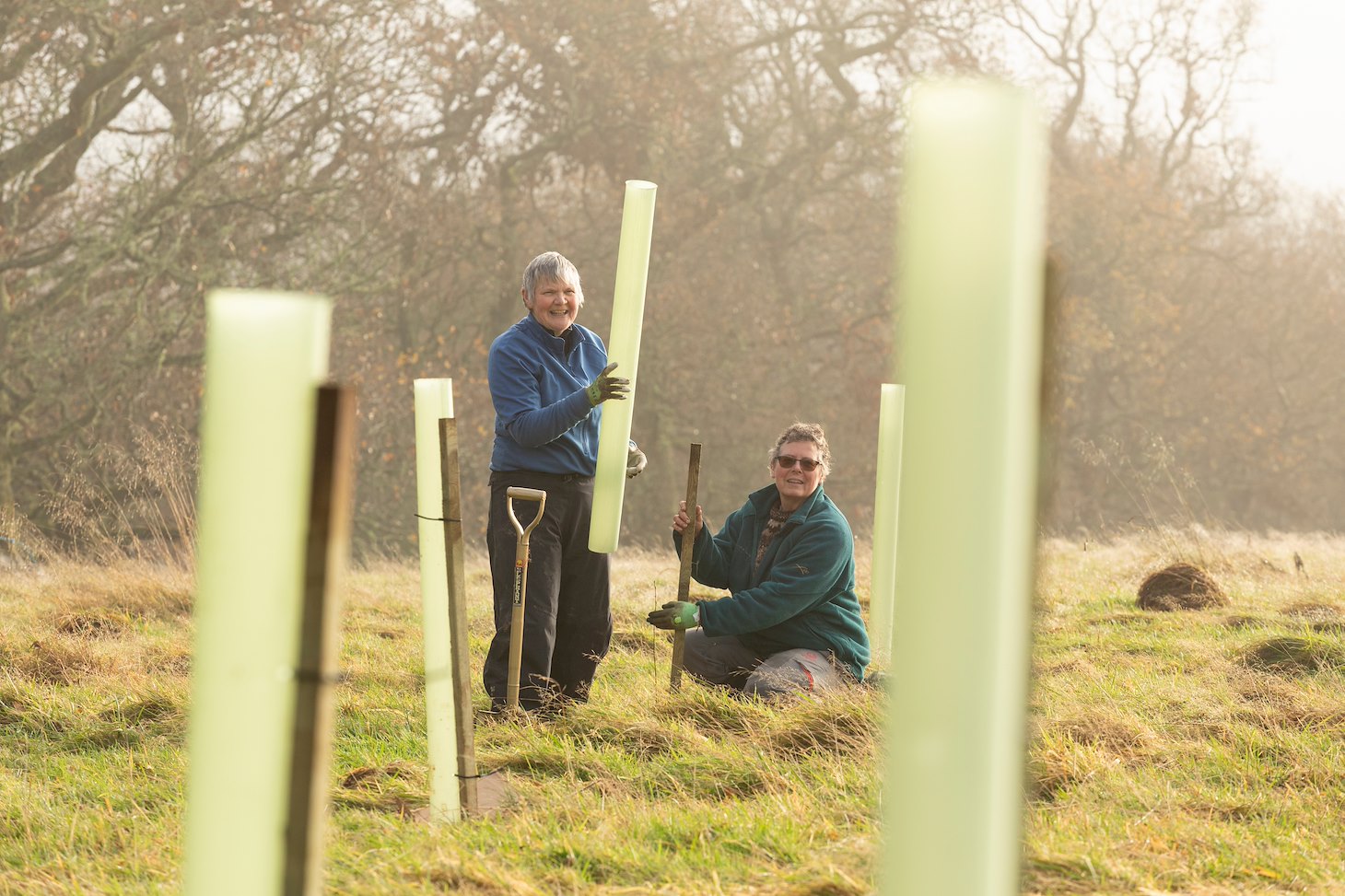
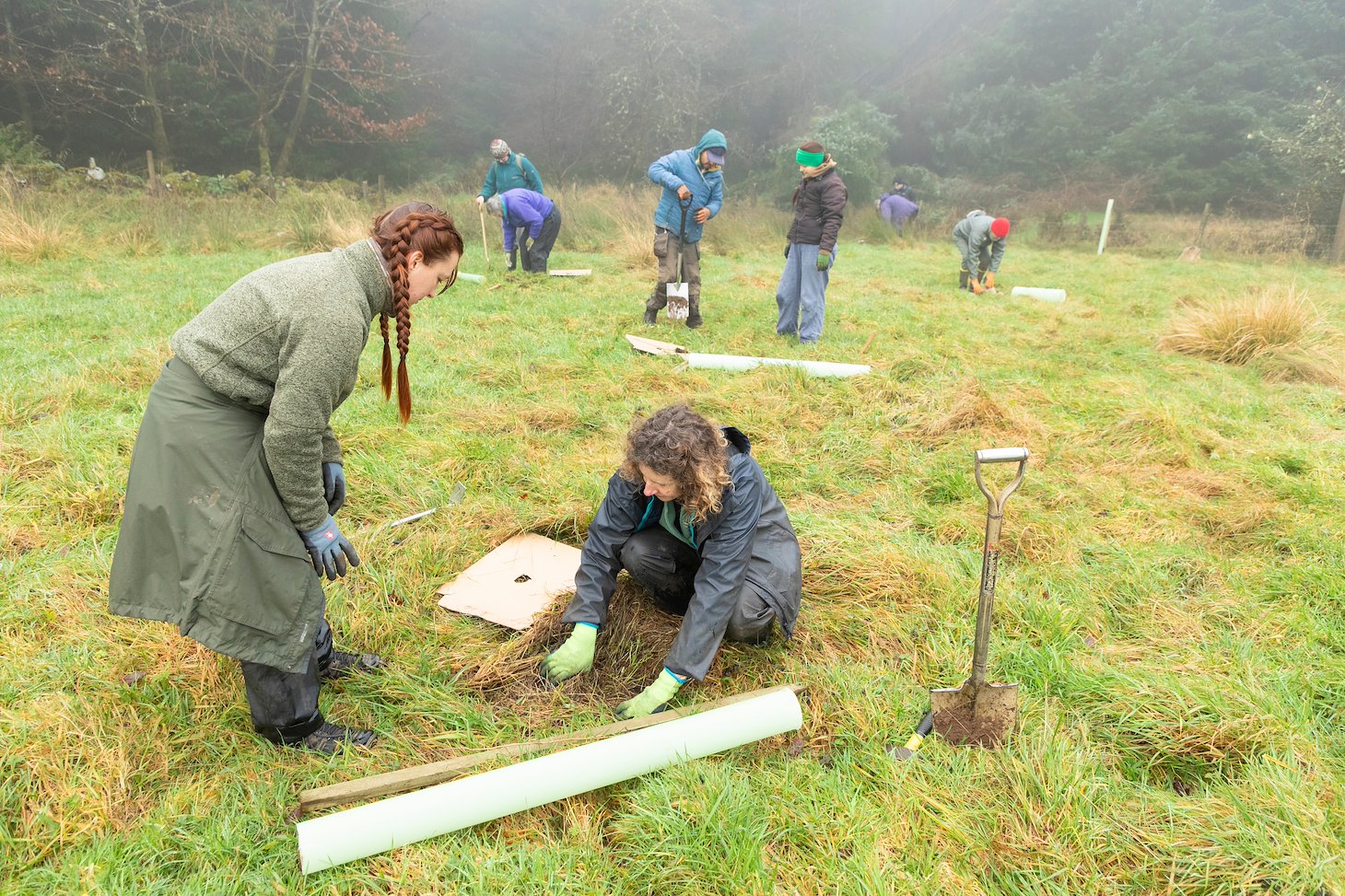
Folks from Tree Link Stirling and other local tree planters recently joined forces to plant over 1,000 trees across the farm’s grasslands. Planted in clusters, these trees will help soften the hard lines between the existing woodland and historical pastures and add diversity to the landscape.

In the absence of beavers (for now at least) their eco-engineering exploits can be mimicked through the installation of leaky dams on the Sauchie Burn. These will help retain more water on site and provide habitat for a range of species.

Redwings and other thrushes feast on the rich pickings from the farm’s hedgerows in autumn.

In spring, these dense hedgerows and scrub provide ideal nesting sites for small passerines such as whitethroat, whose numbers have increased in recent years, along with willow warbler and blackcap.

Increases in small bird populations provide opportunities for predators such as sparrowhawk.

The presence of heath-spotted orchids and other wildflowers indicate the potential for restoring the farm’s pastures to species-rich grassland.

Common flowers such as white clover, self-heal and speedwell are important sources of nectar for bumblebees.

Native breeds of cattle, ponies and pigs act as proxies for lost wild herbivores, helping to create and maintain diverse mosaics of woodland and grassland habitats.

A return to a natural grazing system creates a greater diversity of sward height and density - great news for field voles and other small mammals.

Barn owls are one of the many beneficiaries of an increase in the vole population.

Following soil disturbance by herbivores, there are plans to sow yellow rattle, a semi-parasitic flower that will help reduce the vigour of aggressive agricultural grasses, allowing other wildflowers to colonise.
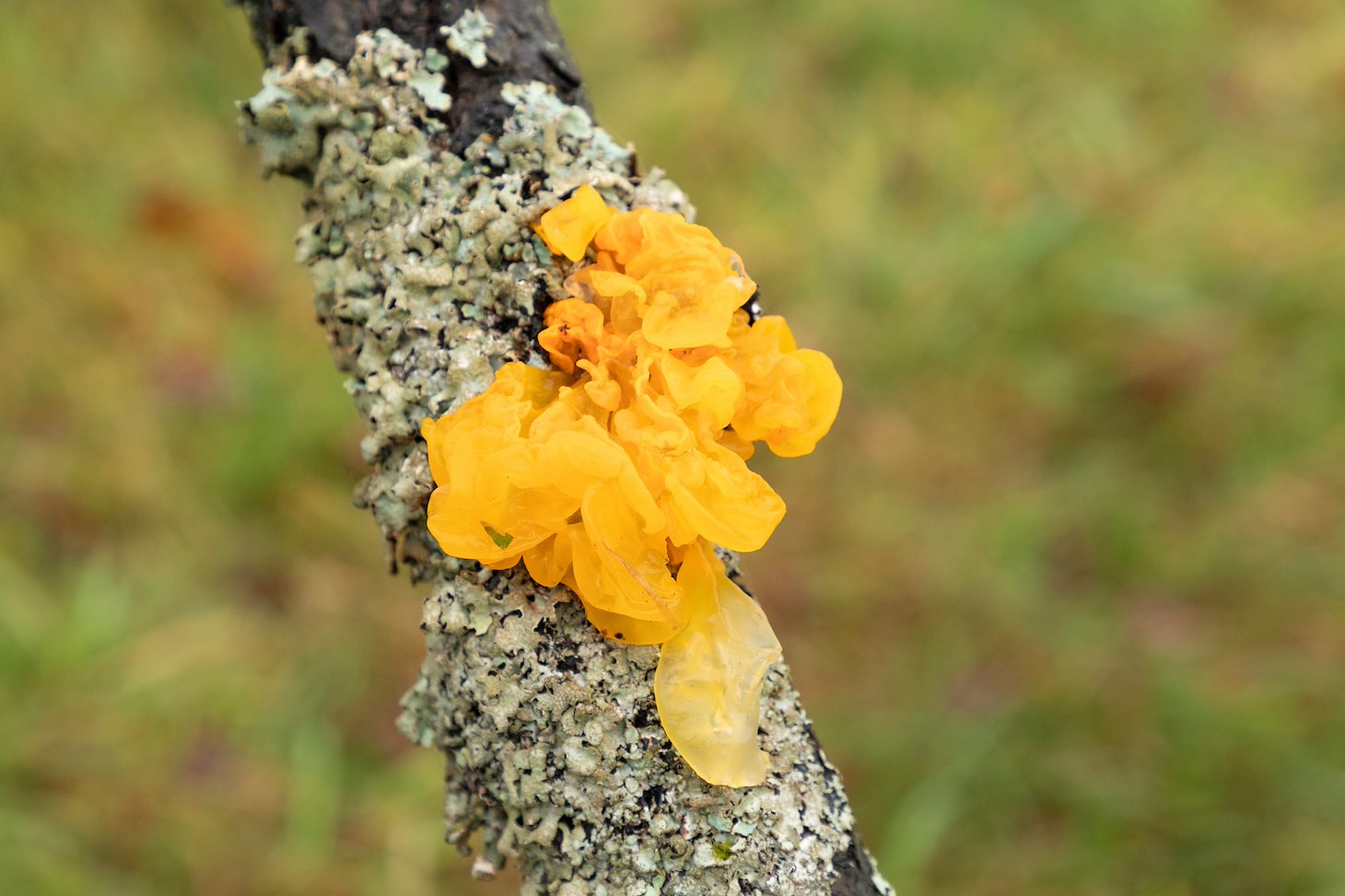
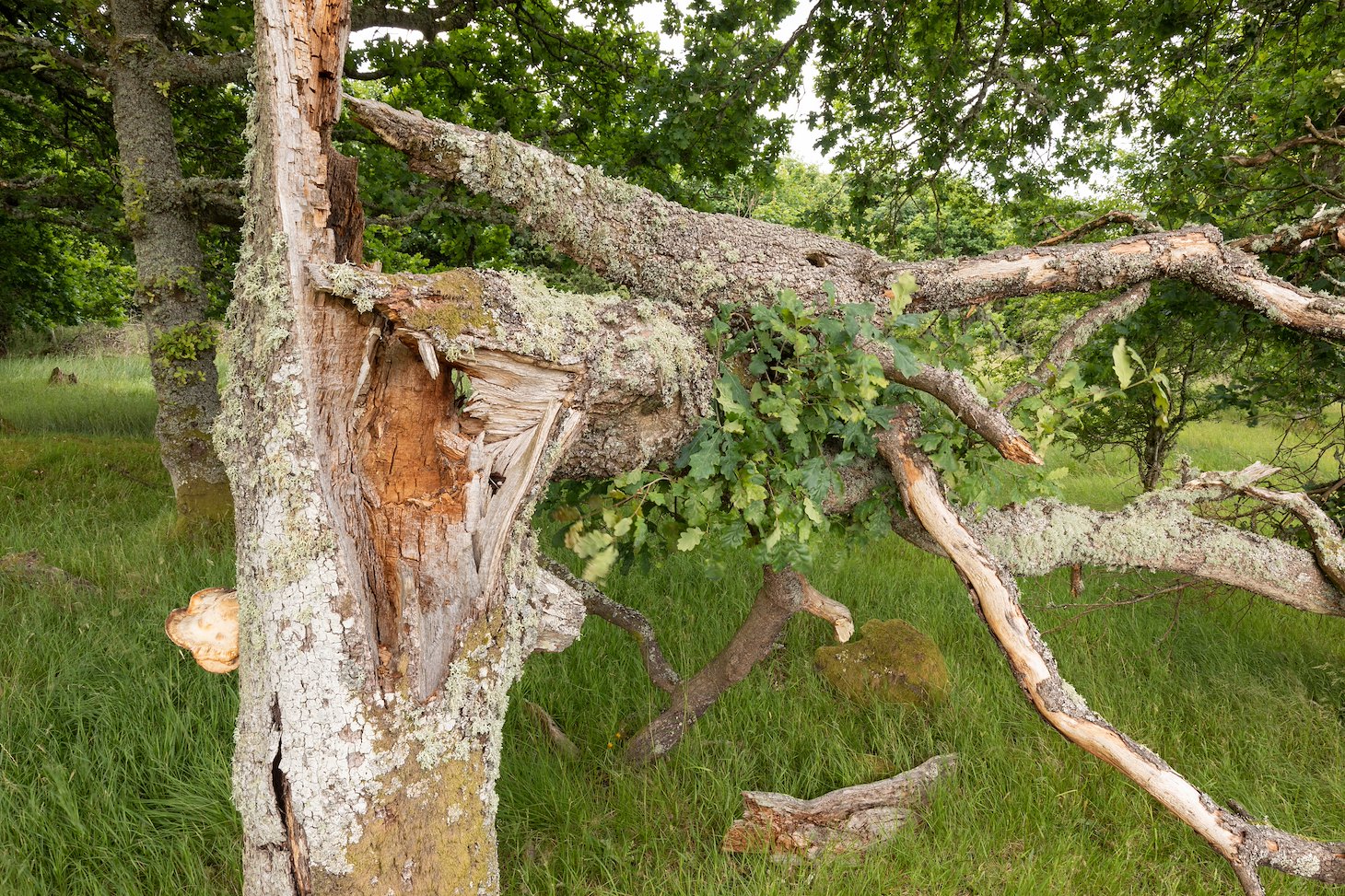
Deadwood is an essential ecological component that supports fungi, invertebrates and other species. While the existing woodland contains some deadwood, introducing whole trees or large limbs into newly created woodland, wetlands and grassland will fast-track this important natural process.

Alongside the farm’s ambitious rewilding projects, Sauchie Home Farm is committed to providing a safe space and opportunities for a range of people, including young carers, migrants and refugees, young adults with mental health issues and climate activists.

Activities such as tree planting play a significant role in improving both physical health and mental wellbeing as well as helping to build stronger connections between people and their local environment.