
Hart of the matter – who pays for deer management?
Land managers are being asked to reduce deer numbers to help the Scottish Government achieve its ambitious targets for forest regeneration and peatland restoration. But as the cost of deer management increases, a question arises: who will foot the bill?

Deer are remarkable animals, contributing to many important natural processes, but without population control they can cause problems. One recent survey revealed that 13% of Scottish native woodlands contained no young trees, saplings or seedlings whatsoever. In many other surveyed woodlands, only a couple of less palatable species showed any evidence of regenerating.
Deer are not alone in creating these problems. Sheep present an equivalent challenge across much of our uplands, while hares and even voles can also inhibit woodland regeneration. But progress towards nature restoration targets cannot be made without managing deer. And deer management is expensive.

Facing unsustainable browsing pressure, land managers must go to extreme lengths to protect young saplings like this aspen sucker.
Some of this cost is already publicly funded. Forestry and Land Scotland (an executive agency of the Scottish Government) accounts for an estimated 15-20% of the national red deer cull on just 9% of Scotland’s land. But most deer management – and most of the associated cost – is currently borne by private landowners.
Historically, some of this cost has been offset by attracting clients willing to pay to hunt deer. But deer reduction targets threaten to undermine this traditional model:
‘We don’t have paying guests anymore, due to the number of deer we’re shooting,’ explains Falcon Frost, head stalker on the Glenfalloch Estate. Fewer deer on the hill make the stalking experience less appealing for some, but there’s still plenty of demand. The business just no longer makes sense.
‘When you’re focused on providing an experience for clients, you inevitably can’t shoot as many deer,’ says Falcon. ‘So accompanying paying guests was making it harder to achieve our cull targets. Meanwhile, the estate was having to pay someone else to do the jobs I could have been doing if I wasn’t out with guests.’
Every estate deals with different assets and different costs. Yet Glenfalloch isn’t unusual. When they ran the numbers, they found the income generated from stalking clients wasn’t worth the cost to Falcon’s time. But now, without enough sporting income to offset costs, deer management is a significant drain on the estate’s books.
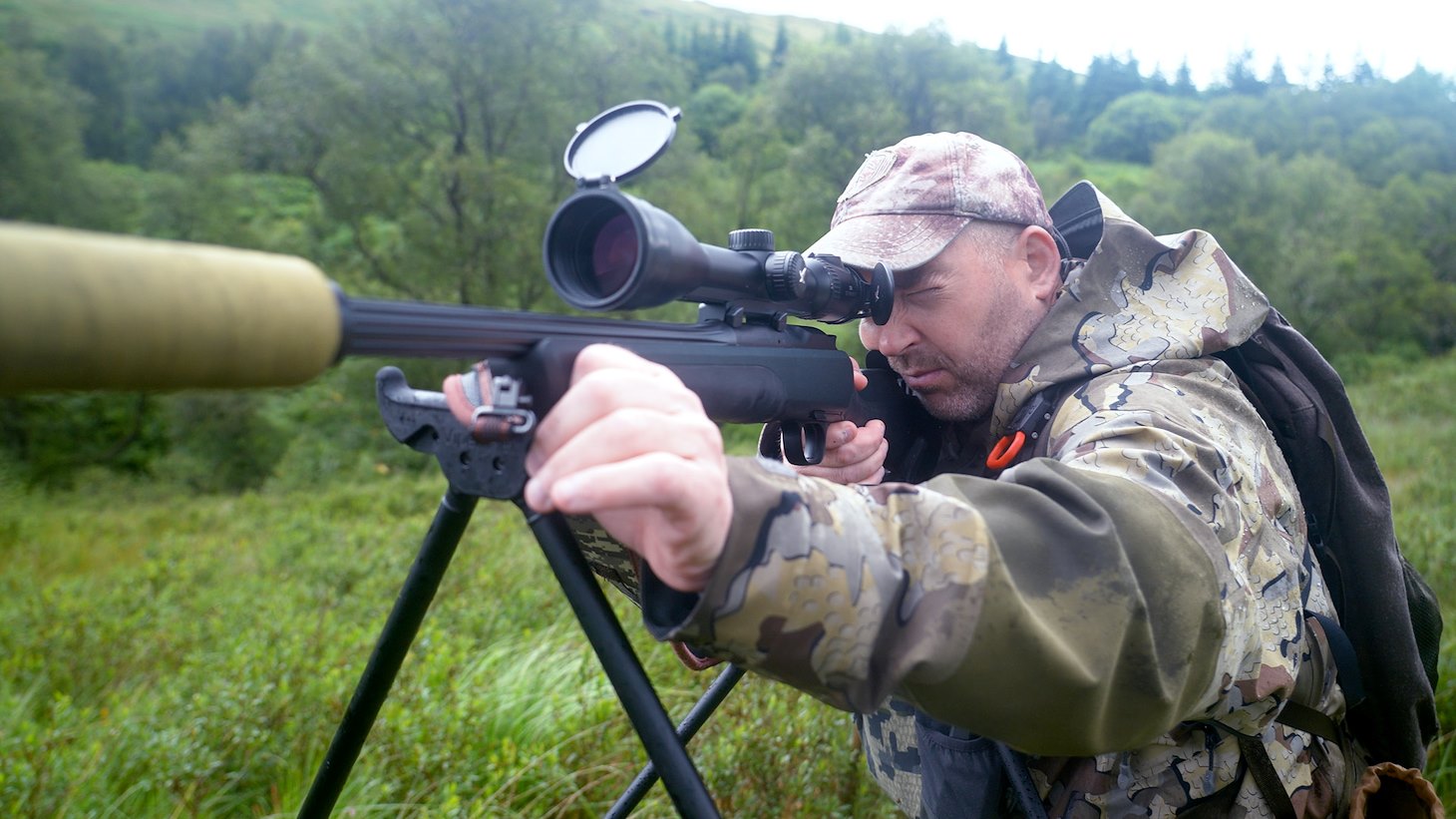
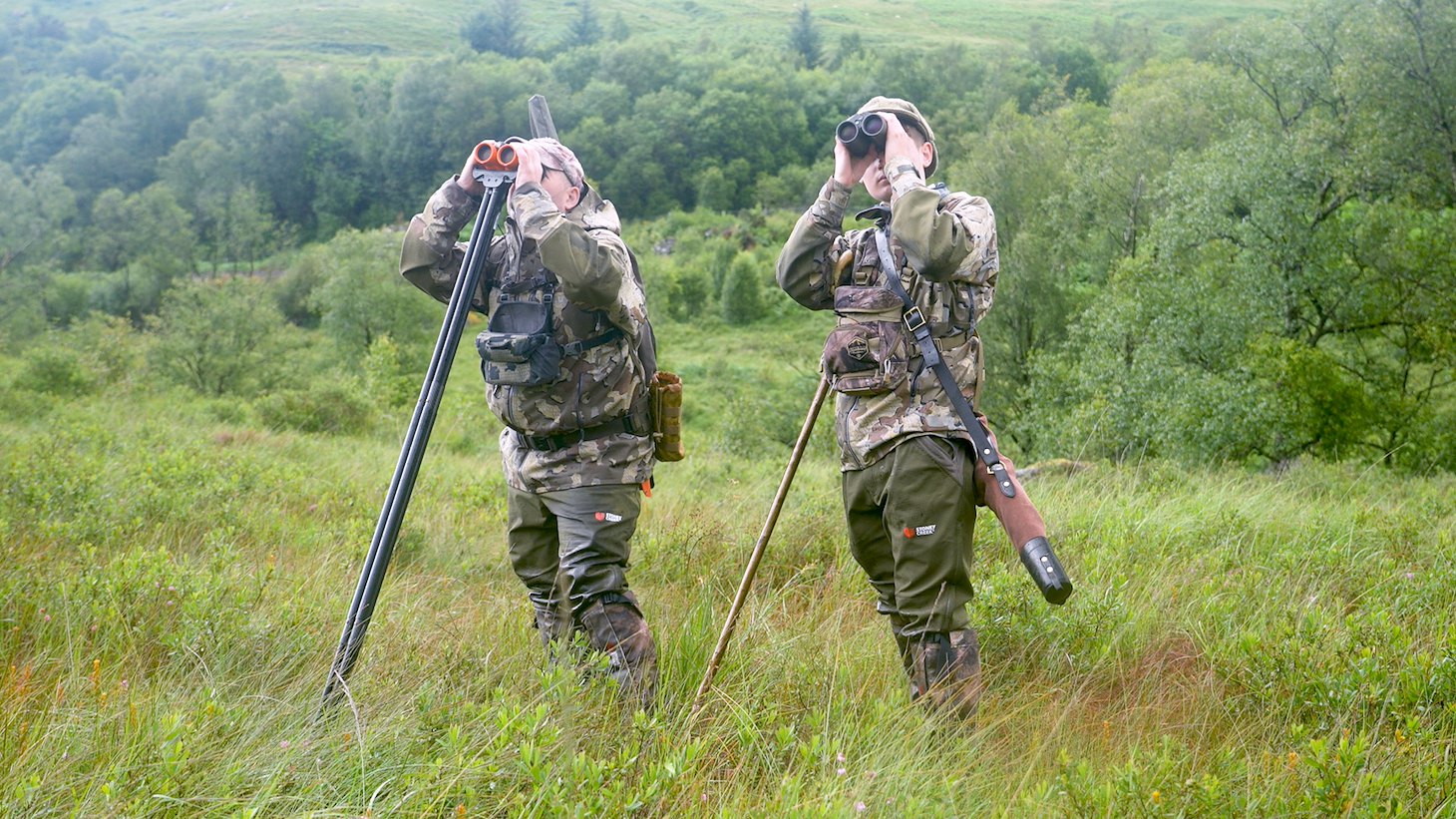
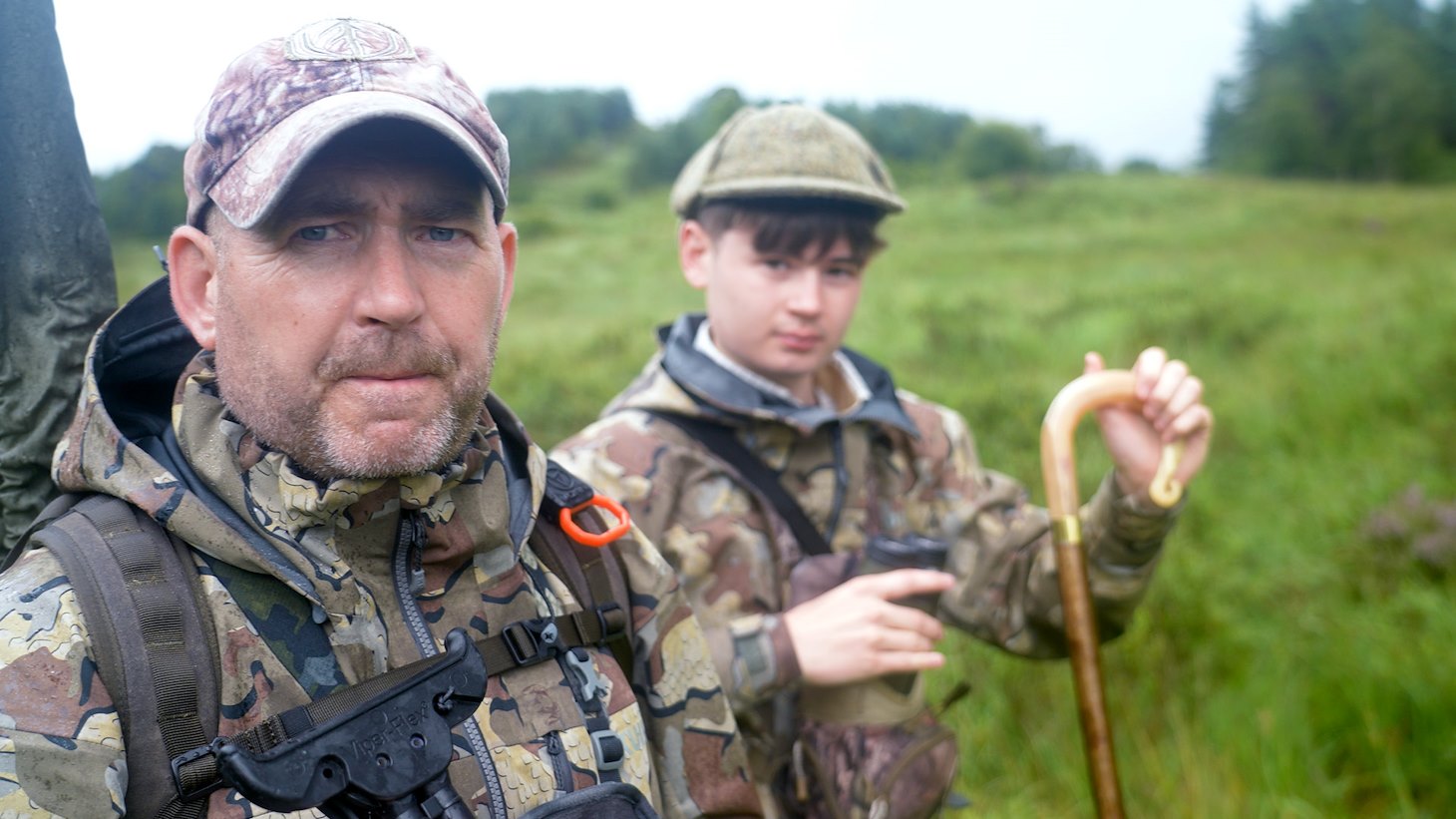
Falcon hopes his son Lewis may follow in his footsteps, but worries about the uncertainty surrounding the future of the industry.
‘Every time I pull the trigger, it costs money,’ continues Falcon. ‘It’s my time, the price of ammunition, fuel, electricity for the larder and so on. It all adds up. Last year, deer management at Glenfalloch ran at a £70,000 net loss. That’s quite a hit to take.’
‘The economics of deer management are challenging,’ agrees Deirdre Stewart, Vice Chair of the Association of Deer Management Groups and a trustee of the Common Ground Forum, a diverse group of over 45 organisations committed to navigating the difficult conversations that have long surrounded deer management.
‘The traditional sporting model relies to some extent on population size,’ she explains. ‘So where we have reduced deer numbers, that income is obviously at risk. We try to add value where we can, but we’re dealing with a diminishing resource. And on top of that, we’re making less money from venison than we did forty years ago.’

On the Lude Estate, Deirdre Stewart examines the web of an orbweb spider strung between grass stems growing on a site that is benefiting from active deer management.
The risk is that deer management becomes economically unsustainable just when we need deer stalkers most. ‘The skill and experience within the sector is something we have to hang on to, for this generation, and well into the future as well,’ says Alan McDonnell from the rewilding charity, Trees for Life.
There are no natural predators capable of tackling adult deer in Scotland today, but even if we were to reintroduce a predator like the lynx in future, we’d still need human hunters to manage the deer population. ‘Lynx could contribute to deer management,’ says Alan, ‘but we’ll always need the skills, knowledge and graft of deer stalkers in Scotland, just as other countries still rely on hunters, even though many of them haven’t just got lynx, but have often got bears and wolves as well.’

Red deer are magnificent, much-loved animals, but their numbers need managing – and that means deer managers need paying.
Despite growing recognition of the importance of their work, many estate stalkers wonder how their salaries will be paid as the traditional sporting model is increasingly threatened by the pressure to reduce deer numbers.
‘Most of us don’t see what we do as a job,’ says Falcon. ‘Deer stalking is a livelihood. We live on the estate, we work on the estate. We love the places where we work. We’re invested in them. But there’s a sense of nervousness in the industry about the future. What does it look like going forward?’
Seeking to replace the money generated by stalking guests, many estates have been exploring opportunities to diversify their income, but this has proven challenging for some. ‘Diversification relies upon what assets you have. And it depends how close you are to population centres,’ says Deirdre. ‘People have tried offering wildlife photography, off-road tours and the whole wild experience, but whether that’s ever going to fill the gap in funding is doubtful, and we still need someone to manage the deer!’
Keenly aware of what’s at stake for Scotland’s upland environment, conservationists have been thinking about how to plug this funding gap. ‘We estimate it might cost around £15 million per year to manage Scotland’s deer,’ says Alan. ‘That’s less than a third of what the Government already spends on its forestry grant scheme. If we were to redirect some of that money towards deer management you’d probably deliver a lot of the same objectives, while doing it in a way that sustains rural livelihoods and maintains these vital skills. So it feels like there’s a win-win-win available here.’
It’s an intriguing proposal, partly born out of the Common Ground Forum. This has brought together an unusual mix of traditional land management groups and environmental organisations with divergent views on some issues, but with one thing everyone agrees on, as Deirdre points out: ‘Everybody wants a sustainable future and a sustainable model for land use.’
This article is the fourth in a series of stories and films which form the Fiadh project. Inspired by the Gaelic word ‘fiadh’, which refers to both ‘deer’ and ‘the wild’, the project seeks to inspire fresh conversations and shift perspectives around deer management, celebrating the sector’s growing emphasis on the recovery of more diverse, more resilient landscapes.